Rob Mabbett: ‘Is this gross incompetence or a deliberate starvation of established 3rd sector organisations to make way for a new order?’
Rob Mabbett: ‘Is this gross incompetence or a deliberate starvation of established 3rd sector organisations to make way for a new order?’
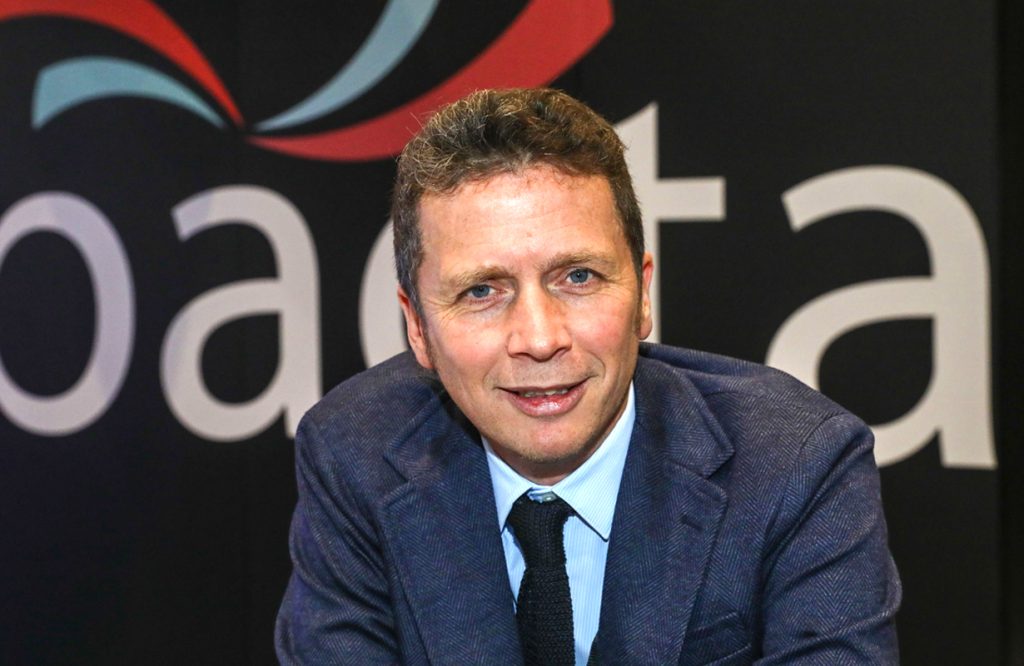
Rob Mabbett, Engagement Director, BetterChange was one of the stand-out contributors to the Bacta Convention. With a focus on the prevention and treatment of gambling-related harm and an industry background including being named Racing Post Betting Shop Manager of the Year, he has a unique knowledge of the space. In a forthright contribution Rob expands on some of the issues raised during the SR Panel debate not least the critical outcomes arising from the statutory levy.
As well as contributing to the SR panel you stayed for the duration of the Bacta Convention – what were the key take-outs from your perspective?
It was a fantastic Convention with excellent speakers from start to finish. My take aways from Vice President Jeremy Goddens opening speech through to President Joseph Cullis’s closing remarks was that Bacta is an organisation showing real intention to move the land-based sector of the gambling industry forward. It can be easy to play the victim when faced with negative press or to feel you have to continually explain yourself: but there was none of this on show at the convention. Instead, there was ownership of the challenges that the sector faces and a clear plan of action to address them. These were not empty words either, both the gambling minister Baroness Twycross and the Gambling Commission CEO, Andrew Rhodes paid testament to Bacta’s approach in the past year and praised their efforts when acting swiftly on matters of self-exclusion and their engagement with the regulator. The whole day’s content was impactful, purposeful and impressive.
How important is it for the 3rd sector and the industry to work together on player protection initiatives?
It is absolutely vital as we both serve the needs of the service users. The industry houses the players whilst they are playing so it is imperative that any safer gambling strategy is executed by the industry in a way that engages all players and promotes positive play. The vast majority of players – especially in the sector served by Bacta – enjoy their members products in a safe way providing entertainment to millions. If we do not include the industry, we come at player protection from an angle that is exclusively about those who experience harm which is a small percentage of the population of players regardless of which gambling study you look at. A collaborative approach with understanding of the customer journey from both sides is, in my view the most effective way to protect players.
Why do you think there’s such an antipathy from some organisations to working with gaming companies?
There are two different reasons for this in my opinion, firstly there is fear from those who would be willing to work with the industry but are afraid that by doing so they would get blacklisted for funding from the new levy. Secondly there are organisations which are fundamentally opposed to gambling and believe that gambling is a public health issue and that its consumption should be reduced not just by those experiencing harm but by everyone. In many cases this has been driven by highly emotional circumstances such as experiencing an addiction, experiencing hardship as a result of their gambling, being convicted of criminal offences and even suicide. The public health bodies who are now in charge of the levy purse strings have made it clear on numerous occasions that third party providers looking to access levy funding should cut all ties with the industry. It is my opinion that we all have a part to play in preventing gambling harms and also that no voice should be excluded from that collective effort. Sadly, the ignorance and prejudice from those in charge of the levy could lead to a huge amount of expertise in the research, prevention and treatment of harm being lost. That would be extremely sad for organisations such as Bacta and its members who have a strong and long-standing collaborative relationship with organisations specialising in player protection.
Do you think the funding hiatus caused by the Statutory Levy will result in some safer gambling charities folding?
It has already happened. The imminent closure of GambleAware in spring 2026 will mark the beginning of a new order in terms of commissioning but they will not and have not been the only charity and/or service to close as a result of this transition. GamCare’s Safer Gambling function which provided the safer gambling standard to the industry closed a year ago as did their young people’s service earlier this year. Lived experience group ALERTS closed and other charities and organisations claim they are running out of time to secure funding for the coming year with one reporting that they will soon have to stop receiving service users as there is no guarantee that they complete their programme of treatment in the new year. With so much more money being raised through the levy as was raised previously – estimated to be circa 40 percent more – it is a damming indictment of a system that has yet to spend a penny and is currently sitting on circa £100million since October. The commissioning bodies were appointed in April and we are still yet to see any framework or governance to provide any assurance to those organisations who are running out of time. It begs the question – is this gross incompetence or a deliberate starvation of established 3rd sector organisations to make way for a new order?