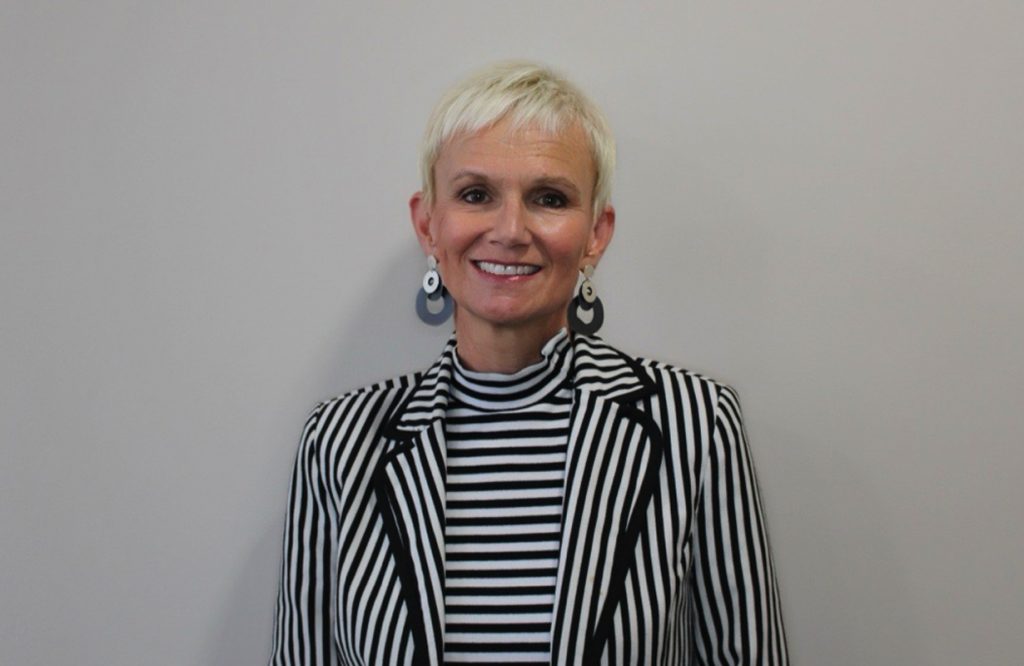
The Bacta Music Users Group is at the forefront of protecting the interests of juke box operators. Specialist lawyers which have been engaged by the trade association are drawing up a response to the Consultation process instigated by the PRS for Music. Chris Haley, Managing Director of Dransfields, is leading the Bacta response in his capacity as Chair of the Music Users Group. In an interview with Coinslot Chris outlines the proposals to review how fees are collected and the dangers of a potential doubling of the licence fee.
Can you outline what the Consultation covers and what PRS is proposing?
CH: PRS for Music (PRSfM) is the trading name of two music industry collecting societies, Performing Right Society (PRS) and the Mechanical Copyright Protection Society (MCPS). The Mechanical-Copyright Protection Society, (MCPS) is a UK-based collecting society that collects and distributes mechanical royalties to songwriters, composers, and music publishers. These royalties are earned when a musical work is reproduced/copied, such as on CDs, vinyl records, or downloads. Providers of content for digital jukeboxes and providers of background music need a licence from MCPS, which is administered through PRSfM. PRS represents substantially the same constituents. PRS licenses the streaming of music content that has been copied reproduced. On behalf of the two societies PRSfM is holding a public consultation for a revised licensing scheme for Music Services (B2B) suppliers, currently called the Supply of Background Music Services (“MSB2B”) Licence. In the words of PRS “The current MSB2B scheme was developed in 2008, and since then, the landscape has evolved considerably. In particular, the relative value of publishing rights for online delivery has increased significantly. Furthermore, technological advancements in both, software and hardware, have resulted in a greater variety of product offerings” In a nutshell PRS are reviewing how fees are calculated and looking to substantially increase, in some cases doubling, the licence fees payable by the providers of digital music.
How would the proposals as they stand impact jukebox manufacturers and operators?
CH: Any increase in fees to the providers of digital music will inevitably be passed down the line to operators of digital jukeboxes leading to increased running costs. These could be substantial additional costs imposed by the music industry upon digital music providers and their customers
What steps has the Music Users Group taken?
CH: Bacta has engaged specialist lawyers to respond on behalf of Bacta members and to argue against the proposed hike in costs given that the evidence presented by PRSfM seems to relate more to streaming services which is an entirely different product. The Music Users Group is an important committee within Bacta. Only recently we have been negotiating with PPL around the changes to how they licence jukeboxes and were able to reach agreement on a way forward to prevent sites having to self-licence. If this had gone ahead as was first proposed then it would have severely impacted the jukebox market. The licensing of music is complex and the MUG provides a source of advice to Bacta members as well as enabling Bacta to represent their members with the various licensing organisations.
What input is being made by Bacta members to the consultation?
CH: The lawyers engaged by Bacta are drawing up a response to the Consultation which will then be shared with the Bacta Music Users Group; if data is required to reinforce the arguments, then this will be sought from Bacta members as required
Do you believe that the contribution made by the juke box sector is properly recognised and valued?
CH: My view is that paid for music is definitely undervalued and juke box operators are constantly battling against streaming services usually deployed in contravention of the streaming services terms of use which specify personal use only. Most juke box operators will have had instances where a customer has asked for the juke box to be removed – only to see the venue plug their phone into a speaker and illegally stream music instead. The problem being that PPL/PRS exceptionally rarely police this nor carry out any enforcement action.